

Most business owners focus on keywords to boost their Google rankings. Yet, your website structure often plays an equal role in who finds you and how they stay. Poor site architecture can confuse visitors and search engines, cutting leads before they start. Let’s pinpoint the key fixes in your site structure that can drive more traffic and turn clicks into customers. For more information, you can check out this link: https://www.semrush.com/blog/website-structure/.
Importance of Website Structure
Thinking of website structure might not be the most exciting part of running a business. However, it is crucial for driving traffic and converting visitors into customers. Let’s explore why it matters so much.
Impact on Search Rankings
Website structure directly affects how search engines understand and rank your pages. A well-organized site makes it easier for search engines to crawl and index your content, leading to better visibility. On the other hand, a cluttered structure can confuse search engines, causing your site to rank lower. A clear structure helps search engines identify which pages are most important. Start by ensuring that each page is just a few clicks away from your homepage. This not only improves crawlability but also encourages search engines to prioritize your content.
Enhancing User Experience
A good website structure ensures visitors can find what they need quickly. When users land on your site, they should easily navigate through categories and subcategories. A clear path keeps them engaged and on your site longer. Imagine a bookstore where books are randomly placed. Frustrating, right? Similarly, a well-structured site means users don’t leave out of frustration. Utilize breadcrumbs and clear headings to guide visitors seamlessly from one page to another.
Boosting Conversions
A well-organized site not only keeps users happy but also boosts conversions. When users find what they need without hassle, they are more likely to take action, whether it’s making a purchase or signing up for a newsletter. Start with a clear call-to-action on every page. Make sure users know what you want them to do next. This not only guides them but also increases the chances of conversion.
Key Elements to Fix First
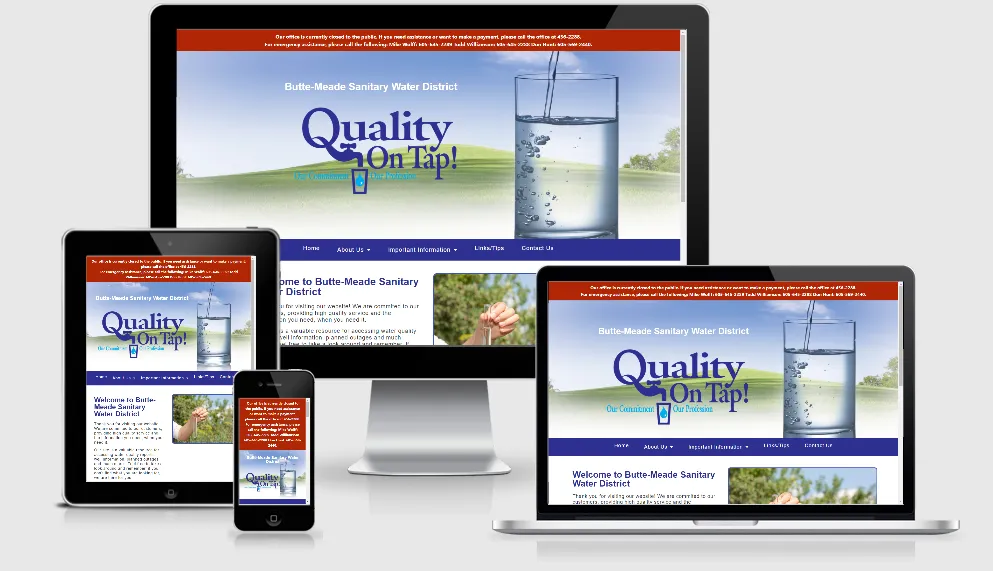
To improve your website structure, focus on key elements that make navigation intuitive and search engine-friendly. Here’s where you should start.
Improving Site Navigation
Clear navigation is like a roadmap for your visitors. It helps them explore your site without getting lost. Start with a simple, intuitive menu that includes main categories and subcategories. Avoid overwhelming users with too many options. Limit your menu to essential items so users can focus on what’s important. Use descriptive labels for menu items, making it obvious what each link leads to.
Streamlining Internal Linking
Internal links connect one page of your website to another. They help users discover more of your content and tell search engines about the hierarchy of your site. When adding links, make sure they are relevant to the context of the page. This not only helps users but also tells search engines which pages are related. Use internal links to guide users to high-value pages, such as product pages or blog posts, that you want them to visit.
Optimizing URL Structure
A clean URL structure improves both user experience and SEO. URLs should be simple and descriptive, reflecting the content of the page. Avoid using unclear or overly complex URLs. Instead, use keywords that accurately describe the page content. This not only helps search engines understand your page but also makes it easier for users to remember.
Benefits of a Structured Website

A well-structured website offers numerous advantages that go beyond aesthetics. It sets the stage for better performance across various metrics.
Enhancing Crawlability and Indexation
A logical structure makes it easier for search engines to crawl and index your site. This means your pages are more likely to appear in search results. Use an XML sitemap and robots.txt file to guide search engines through your site. These elements ensure that important pages are indexed while unimportant ones are left out.
Improving Page Speed and Mobile-First Design
Fast-loading pages and mobile-friendly designs are essential for keeping users engaged. A streamlined structure enhances both these aspects. Compress images and minimize redirects to improve loading times. Ensure your design is responsive, adapting seamlessly to different screen sizes and devices.
Leveraging Schema Markup for Local SEO
Schema markup helps search engines understand your content better, which can improve your local SEO efforts. By using schema, you provide search engines with detailed information about your business, such as location and services. This makes it easier for local customers to find you. Implementing schema markup increases your chances of appearing in local search results and can even enhance your visibility in Google Business Profile.
Frequently Asked Questions
How does website structure affect search engine rankings?
Website structure affects how search engines crawl and index your site. A well-organized structure helps search engines find and rank your most important pages, improving your visibility in search results.
What is a good URL structure for SEO?
A good URL structure is simple, descriptive, and includes relevant keywords. It should reflect the content of the page and be easy for users to understand and remember.
How can internal linking boost my website’s performance?
Internal linking helps users navigate your site and discover more content. It also informs search engines about the hierarchy and importance of different pages, improving SEO.
Why is mobile-first design important for site structure?
Mobile-first design ensures your website is accessible and functional on all devices. With more users browsing on mobile, a responsive design is crucial for maintaining user engagement and improving SEO.
How can schema markup improve my local SEO?
Schema markup provides search engines with detailed information about your business, enhancing your visibility in local search results. It can help local customers find your services more easily.