
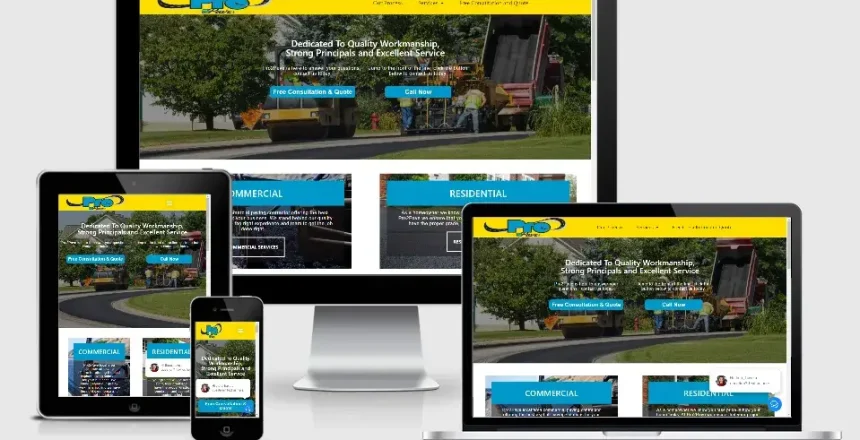
Most businesses focus on getting clicks but lose leads after the click. Your website isn’t just a billboard—it’s where visitors decide if they become customers. Mastering the post-click experience means creating landing pages and follow-up steps that turn interest into action. In this post, you’ll learn how to design a lead generation funnel that captures attention and keeps prospects moving forward, without extra busywork. For more insights, you can explore this guide on lead generation.
Crafting a Seamless Post-Click Journey
Once you’ve attracted visitors to your site, the next step is crucial: keeping them engaged. Creating a streamlined path for them to follow is key to turning interest into tangible leads.
Importance of Landing Page Optimization
Landing pages are often the first impression visitors have after clicking an ad or link. A well-optimized page can make this interaction smooth and enticing. Focus on clear headlines, concise copy, and compelling visuals. Each element should guide visitors toward taking a specific action. A/B testing different layouts or call-to-action buttons can also reveal what works best for your audience. Remember, 70% of consumers look for a streamlined experience; your landing page should provide just that.
Enhancing Engagement with Smart Forms
Forms are a vital part of lead generation. Short and easy forms encourage completion, reducing drop-off rates. Consider using multi-step forms to keep users intrigued while gathering necessary information. Integrate smart forms that adjust questions based on previous answers for a personalized touch. This not only keeps users engaged but also provides you with better quality leads. You can learn more about effective lead generation techniques here.
Leveraging Chatbot Booking and Voice Agents
Chatbots and voice agents can transform how you interact with visitors. These tools offer instant responses to common questions, freeing up your time while keeping users engaged. By incorporating a chatbot booking system, users can easily schedule appointments, enhancing their overall experience. Voice agents add a personal touch, making interactions feel more human. These technologies can improve your site’s efficiency and user satisfaction, ensuring potential leads aren’t lost due to slow response times.
Effective Lead Nurturing Strategies
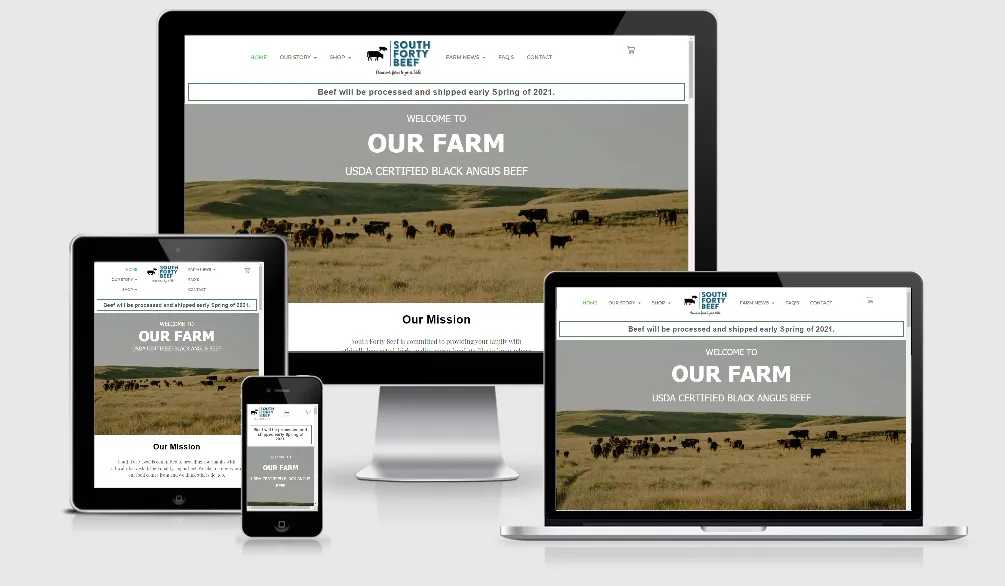
With leads secured, the next step is nurturing them. This process builds relationships and encourages conversions by making sure no lead falls through the cracks.
Automate Follow-Up with CRM Tools
Automation is your ally in lead nurturing. CRM tools can automate follow-up emails, ensuring timely communication. They help you maintain contact without manual effort, leading to higher conversion rates. Set up automated sequences that provide value, such as helpful content or relevant offers. This strategy keeps leads engaged and moves them closer to becoming loyal customers.
Power of AI Smart Websites in Lead Conversion
Smart websites use AI to tailor experiences to individual visitors. They can adapt content based on user behavior, providing relevant information that keeps viewers interested. By doing so, these sites drive more conversions as users find exactly what they’re looking for. Implementing an AI smart website not only elevates the user journey but also significantly boosts lead conversion rates.
Utilizing Local SEO Services for Visibility
Local SEO is pivotal for businesses aiming to attract nearby leads. By optimizing your Google Business Profile, you increase visibility when potential customers search for services you offer. This strategy captures high-intent traffic, turning searches into tangible leads. Local SEO services ensure your business is easily found by those ready to act, making it an essential part of your lead generation funnel. Explore more about digital experience strategies here.
Best Practices for Conversion Rate Optimization

Turning leads into customers requires more than just nurturing; optimizing your processes is vital. Here’s how to maximize conversions.
Building Trust with Social Proof and Testimonials
Trust is key to conversions. Featuring testimonials and reviews from satisfied customers adds credibility to your brand. Display these prominently on your site to reassure potential customers of your reliability. 85% of consumers trust online reviews as much as personal recommendations, so this social proof can be a powerful tool in your conversion arsenal.
Importance of Website Personalization
Personalization can enhance user experience and boost conversions. By tailoring content to individual preferences, you create a more engaging experience. Use data like past interactions or demographics to deliver personalized messages and offers. This approach not only increases engagement but also fosters a connection with your audience, encouraging them to take action.
Crafting Strong Calls to Action for Leads 🚀
A compelling call to action (CTA) is crucial in guiding visitors toward conversion. Use action-oriented language that clearly states what you want the user to do. Be specific about the benefits they’ll receive by following through. Testing different CTA placements and wording can result in significant improvements in conversion rates.
Frequently Asked Questions
What is a post-click experience?
The post-click experience refers to the journey a visitor takes after clicking on a link or ad, including landing pages and follow-up actions aimed at conversion.
How can smart forms improve lead quality?
Smart forms adapt to user inputs, asking relevant questions that ensure you gather high-quality information, improving the chances of conversion.
Why are chatbots important for lead generation?
Chatbots provide instant responses and assistance, increasing engagement and ensuring potential leads are not lost due to delayed interactions.
By applying these strategies, you can create a digital experience that not only attracts but also converts potential leads efficiently.