
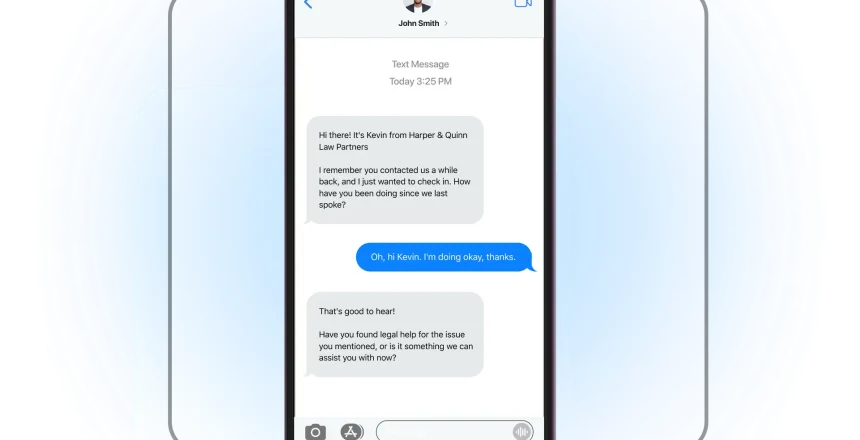
You’re losing valuable leads because your follow-up is slow or scattered. When a website inquiry waits hours or days for a reply, chances of booking drop fast. Smarter lead follow-up means replying within 5 minutes, sending personal messages across channels, and keeping every lead on track—all without working longer hours. Let’s break down how quick, consistent, and automated follow-up turns more website leads into paying customers. For more tips, check out this article.
The Power of Fast Follow-Up
Quick follow-up is crucial in today’s fast-paced world. If leads don’t hear back soon, they lose interest and move on. This section highlights the importance of responding swiftly to website leads and how it boosts conversion rates.
Speed-to-Lead Under 5 Minutes
Speed is essential for converting website leads. Responding within five minutes significantly increases your chances of securing an appointment. Studies show that leads contacted within this window are 100 times more likely to convert compared to those contacted after 30 minutes. Imagine a customer landing on your website at night and getting an immediate reply. This rapid response builds trust and keeps them engaged. Automated systems can help maintain this momentum by ensuring timely follow-ups, even after hours. By integrating an AI smart website, you ensure 24/7 availability, turning potential interest into confirmed bookings.
Multi-Channel Outreach Tactics
Reaching out via multiple channels is key to capturing leads effectively. With options like phone, email, SMS, and social media, you can engage leads where they’re most comfortable. Imagine receiving a text after a missed call with a link to schedule a meeting. This approach not only broadens your reach but also increases your chances of a successful follow-up. By using tools that consolidate communication into one dashboard, you simplify the process and reduce your workload. This synergy ensures no lead slips through the cracks, keeping your pipeline full and active.
Context-Aware Messaging Explained
Understanding your leads’ needs is vital. Context-aware messaging tailors your communication to what matters most to them. For example, a lead interested in a specific service receives information about it, rather than generic messages. This personalized touch makes them feel valued and understood. By leveraging CRM automation, you can gather insights about each lead, allowing for more meaningful interactions. This method not only fosters stronger relationships but also increases the likelihood of closing a deal.
Automating Your Follow-Up Process
Automation streamlines follow-up processes, ensuring no lead is left behind. It frees up your time, allowing you to focus on business growth while still nurturing potential customers.
Task Routing and CRM Automation
Task routing and CRM automation help manage leads efficiently. With automated routing, leads are sent to the right team member based on their needs. This ensures timely and relevant follow-ups, improving conversion rates. CRM systems automate data entry, keeping your database updated without manual input. This reduces errors and saves time, allowing your team to focus on high-value tasks. By integrating CRM automation, you enhance your follow-up strategy and improve your lead management process.
Effective Lead Nurturing Strategies
Nurturing leads requires a strategic approach. Automated email sequences are powerful tools for keeping leads engaged. For instance, sending a welcome email followed by tailored content over time keeps your brand top-of-mind. These sequences can be triggered by specific actions like website visits or content downloads, ensuring timely engagement. By nurturing leads through automation, you maintain a consistent presence, gradually building trust until they’re ready to convert.
Measuring Success: Metrics That Matter
Tracking your success is crucial for refining your follow-up strategy. Key metrics include response time, conversion rates, and customer feedback. By monitoring these, you identify areas for improvement and celebrate wins. Analyzing response times helps ensure you’re meeting the five-minute target, while conversion rates highlight the effectiveness of your outreach tactics. Feedback offers insights into customer satisfaction, allowing for continuous improvement. By focusing on these metrics, you ensure a high-performing follow-up process.
Quick Wins and Client Success Stories

Sharing success stories boosts confidence and illustrates the power of smart follow-up. Real-life examples inspire and demonstrate the tangible benefits of a robust follow-up strategy.
Simple Examples to Boost Confidence
Consider a local business that implemented automated follow-ups and saw a 30% increase in bookings. They used a chatbot to answer FAQs and guide users to scheduling, reducing missed opportunities. These quick wins show how small changes can yield significant results. By adopting similar strategies, you too can experience substantial growth and improved conversion rates.
Client Quotes That Inspire
Hearing from satisfied clients reinforces the effectiveness of smart follow-up. One client shared, “Since using automated follow-ups, we’ve doubled our appointments without extra hours.” Such testimonials highlight the tangible benefits and encourage others to adopt similar practices. Positive experiences from peers build trust and demonstrate the value of investing in automation.
Request Your Free Lead Response Audit
Curious about how automation can transform your follow-up process? Request a free lead response audit today. This audit will identify gaps in your current strategy and provide tailored recommendations for improvement. Don’t let slow follow-ups cost you business—take the first step towards smarter lead management and watch your conversions soar.
Frequently Asked Questions
What is the ideal lead response time?
Responding to leads within five minutes significantly increases conversion chances. Quick responses show leads they’re valued and keep them engaged, reducing the likelihood of them seeking alternatives.
How can I improve my multi-channel outreach?
Utilize tools that consolidate communication into one platform. This approach ensures you reach leads through their preferred channels while reducing the complexity of managing multiple systems.
Why is context-aware messaging important?
Tailoring messages to address specific lead interests increases engagement. By using context-aware messaging, you demonstrate understanding and build trust, which is crucial for converting leads.
How does automation enhance lead nurturing?
Automation allows for consistent and timely engagement. By using automated sequences, you maintain a presence in your leads’ minds, gradually building trust and guiding them towards conversion.
What metrics should I track to measure follow-up success?
Key metrics include response time, conversion rates, and customer feedback. These indicators help assess the effectiveness of your follow-up strategy and highlight areas for improvement.