Most local business owners miss one simple secret: creating content that matches what customers really want. When you focus your content on customer intent, your local SEO doesn’t just improve—it climbs into the Map Pack, boosts your Google Business Profile, and turns clicks into calls. In this post, you’ll learn how to build content that speaks directly to “near me” searches and drives more leads your way. For more insights on search intent, check out this guide.
Intent-Driven Content Basics
Understanding the basics of intent-driven content is key to improving your local search results. It starts with understanding what your customers really want.
Understanding Customer Intent
Customer intent revolves around what users are looking for when they type search queries. When you grasp these needs, you tailor content that meets those exact needs. This is not just about keywords but the motivation behind those words. Knowing whether someone is seeking information, wanting to buy, or looking for a local service can drastically alter how you present your content. For instance, if someone searches “plumber near me,” they likely need immediate service, not a blog post about plumbing history. Recognizing these intents helps you craft content that acts as a direct solution to their needs.
Crafting Content for Local SEO
Creating content that enhances your local SEO involves more than simple keyword use. You need to focus on local terms and phrases that reflect your area’s unique needs and services. This means incorporating local landmarks, events, and cultural references into your content. By doing so, you connect more deeply with local audiences. Additionally, utilizing long-tail keywords specific to your services and locations can improve your visibility in local searches. Crafting content with these elements not only speaks directly to your audience but also strengthens your local presence, making it easier for potential customers to find you.
Impact on Organic Rankings
Well-crafted content that matches customer intent can significantly boost your organic search rankings. This type of content is more likely to engage users, reducing bounce rates and increasing the time spent on your site. Search engines notice these metrics and favor sites that provide valuable information. The key is to consistently provide content that addresses the specific needs and questions of your audience. Over time, this approach builds your site’s authority and relevance, which are critical factors in organic ranking improvements. By focusing on intent-driven content, you’re not just increasing traffic—you’re attracting the right visitors who are more likely to convert.
Building Effective Local Content
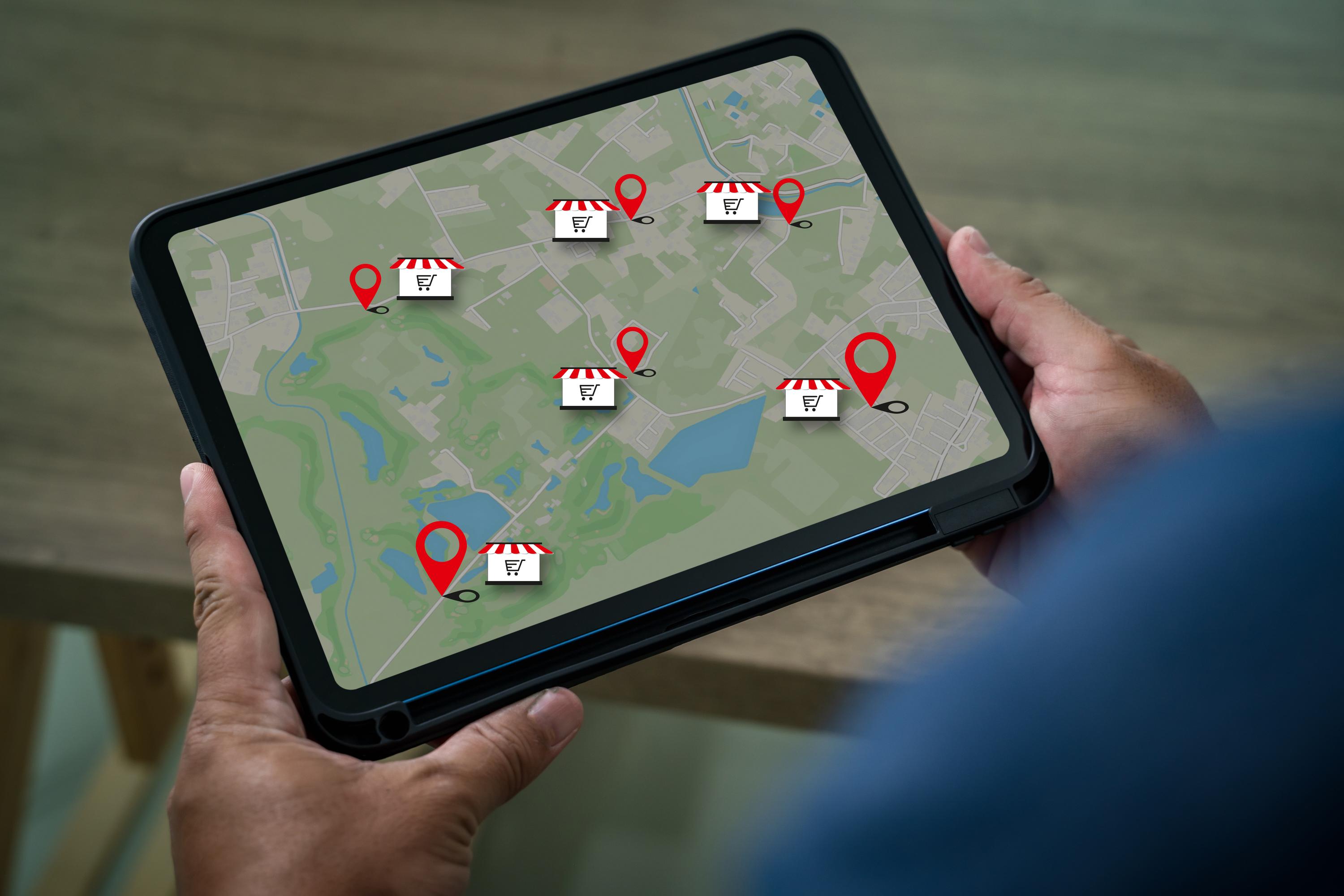
Now that you understand the basics, let’s dive into building content that truly resonates with your local audience.
Creating Service and Location Pages
Service and location pages are crucial for capturing local search intent. These pages should clearly outline what you offer and where you offer it. Each page must include detailed descriptions of your services and specify the areas you serve. By doing this, you help search engines connect your business with relevant local searches. It’s also beneficial to highlight local success stories or testimonials on these pages. This not only boosts credibility but also strengthens your connection with the community. Ultimately, these pages serve as the bridge between your business and potential local customers actively searching for your services.
Optimizing Google Business Profile
Optimizing your Google Business Profile is a powerful way to enhance local visibility. Start by ensuring all information is accurate, including your address, phone number, and business hours. Adding high-quality images and regular posts can engage potential customers and give insight into your business. Encourage satisfied customers to leave positive reviews, as these are pivotal for building trust and improving your profile’s ranking. A well-maintained profile not only increases your chances of appearing in the Map Pack but also provides potential customers with the information they need to choose your business over competitors.
Enhancing with FAQ Schema
Implementing FAQ schema on your website is a smart way to enhance your local content. This schema allows search engines to better understand the frequently asked questions related to your business. By incorporating questions that your potential customers are likely to ask, you improve your chances of appearing in “People Also Ask” sections on search results pages. This not only provides quick answers to users but also positions your business as a reliable source of information. Moreover, using this schema helps you cover various aspects of your services, addressing any concerns or inquiries that might arise, which can lead to higher engagement and conversion rates.
Measuring Success and Conversions

Creating effective content is only part of the equation. You also need to measure its success to ensure it’s driving conversions.
Tracking Map Pack Visibility
Keeping an eye on your Map Pack visibility is vital for understanding how your local SEO efforts are paying off. Tools that track your Google Business Profile performance can provide insights into how often you appear in local searches. Monitoring these metrics helps you identify trends and areas for improvement. When your business consistently appears in the Map Pack, it indicates that your local SEO strategies are working. This visibility not only puts you in front of more potential customers but also increases the likelihood of generating more leads.
Boosting Conversion Rate with Content
Your content plays a pivotal role in boosting your conversion rate. By delivering the right message at the right time, you guide potential customers through their journey from interest to action. Clear calls-to-action, engaging headlines, and relevant content all contribute to higher conversion rates. It’s essential to test different elements of your content to see what resonates best with your audience. By refining your approach based on these insights, you can continually improve your content’s effectiveness, turning more visitors into customers and enhancing your overall lead generation efforts.
Using Internal Linking and E-E-A-T
Effective internal linking and E-E-A-T (Expertise, Authoritativeness, Trustworthiness) are crucial for strengthening your site’s content. Internal links help guide visitors through your site, directing them to additional relevant content that can answer their questions or solve their problems. This not only keeps users engaged but also signals to search engines that your site is well-organized and informative. Building E-E-A-T involves showcasing your expertise through high-quality content, gaining authoritative links from reputable sources, and maintaining a trustworthy online reputation. Together, these strategies reinforce your site’s credibility, enhancing both user experience and search engine ranking.
Frequently Asked Questions
What is customer intent in SEO?
Customer intent refers to the purpose behind a user’s search query. Understanding it helps businesses tailor content and strategy to meet specific user needs.
How can I optimize my Google Business Profile?
Ensure all information is accurate, add quality images, post regular updates, and encourage customer reviews to enhance your profile’s visibility and engagement.
Why are service and location pages important?
They help search engines connect your business with relevant local searches, increasing visibility and attracting more local customers.
What role does FAQ schema play in SEO?
FAQ schema enhances content visibility by allowing search engines to understand common queries, increasing chances of appearing in “People Also Ask” sections.
How do internal links boost SEO?
Internal links guide visitors to related content, improving user engagement and signaling to search engines that your site is informative and well-structured.