

Most service pages miss the mark by ignoring what visitors really want. They get traffic but see hardly any leads because search intent isn’t nailed down. You’ll learn how to plan, design, and optimize service pages that rank locally, match what your customers search for, and turn visitors into paying clients. Let’s break down the steps to create pages that work as hard as you do. For more insights on search intent, check out this resource.
Planning Service Pages for Search Intent
Understanding what your audience searches for is crucial to building effective service pages. Let’s explore how to align your content with search intent to attract the right visitors.
Understanding Search Intent
Search intent, or the reason behind a search query, is vital in creating content that meets user needs. When someone searches online, they have a specific goal. This could be finding information, buying a product, or seeking a service. Understanding these goals helps tailor your service pages to be more relevant to potential clients.
To identify search intent, start by analyzing common queries related to your services. Are people looking for advice, comparisons, or direct purchases? By categorizing search terms, you can create content that speaks directly to these needs. This approach ensures that when users land on your page, they find exactly what they are looking for, increasing the chances of conversion.
Mapping Keywords and Intent
Once you understand search intent, the next step is mapping keywords to these intents. Keywords are the phrases people use when searching online. By aligning them with user intent, you create a more targeted content strategy.
Begin with a list of keywords related to your services. For each, determine if the intent is informational, navigational, or transactional. For example, “buy lawn care services” indicates a transactional intent, while “how to maintain a garden” is informational. Tailor your content to match these intents, using keywords naturally throughout your page. This method not only improves search engine visibility but also ensures visitors find your content relevant and helpful.
Local SEO Considerations
Local SEO is about optimizing your service pages to attract customers from your geographic area. This is crucial for service businesses that rely on local clientele. Start by incorporating location-specific keywords into your content. For instance, if you’re a plumber in Rapid City, include terms like “Rapid City plumbing services” in your page titles and headings.
Ensure your Google Business Profile is up to date and consistent with your website information. Accurate business details help search engines trust your content, boosting your local search rankings. Additionally, gather positive reviews and local citations to strengthen your online presence. By prioritizing local SEO, you position your business to capture local search traffic effectively.
Designing High-Converting Pages

Design plays a pivotal role in converting visitors into leads. Let’s delve into strategies that enhance your service pages’ performance.
Conversion Rate Optimization Basics
Conversion Rate Optimization (CRO) involves improving your website to increase the percentage of visitors who take a desired action. The first step is understanding your audience’s journey on your site. Identify which elements drive conversions and which create friction.
One effective CRO strategy is simplifying your navigation. Make it easy for visitors to find what they need without overwhelming options. Clear calls-to-action (CTAs) are also crucial. Use action-oriented language like “Get a Free Quote” to encourage visitors to convert. Test different versions of your CTAs and page layouts to see what resonates most with your audience. By focusing on CRO, you turn more visitors into leads and future customers.
On-Page SEO Techniques
On-page SEO is about optimizing individual pages to rank higher in search engines. This includes using relevant keywords, creating engaging content, and ensuring a user-friendly experience. Start by placing your primary keyword in the page title, headings, and throughout the content. However, avoid keyword stuffing, which can harm your rankings.
A well-structured page with clear headings and subheadings improves readability, keeping visitors engaged. Also, ensure your content provides value, answering questions your audience might have. Internal linking is another crucial aspect. Link to other relevant pages on your site to guide users and help search engines understand your content structure. By mastering on-page SEO, you improve your page’s visibility and user experience.
Using AI Smart Websites
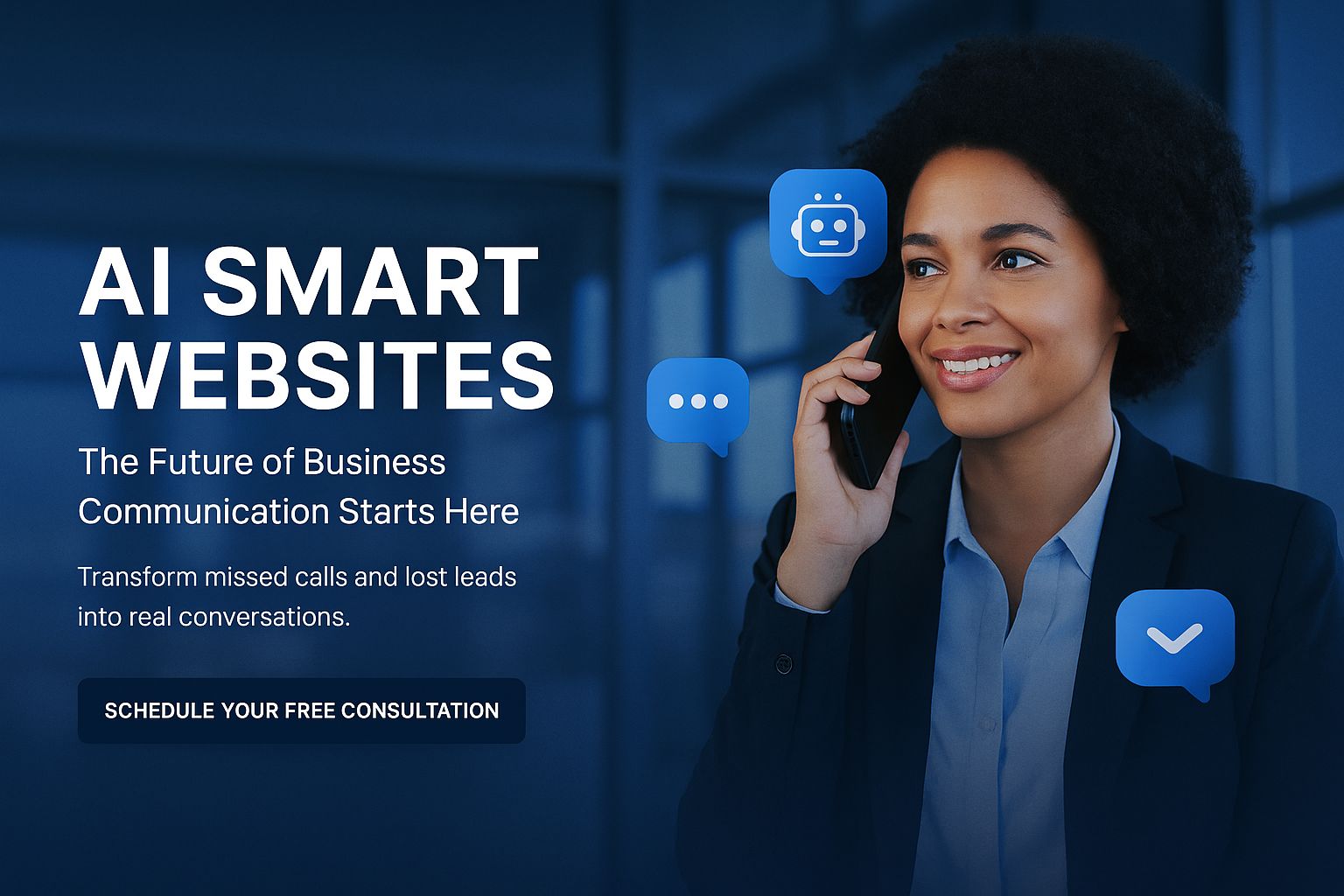
AI Smart Websites use advanced technology to enhance user experience and engagement. These sites can adapt to visitor behavior, offering personalized content and recommendations. For service businesses, AI can automate lead generation and follow-up processes, freeing up your time for other tasks.
Implementing chatbots is a great example. They provide instant responses to common inquiries, improving customer satisfaction and capturing leads around the clock. Additionally, AI tools can analyze visitor data to optimize page performance continuously. By integrating AI into your website, you create a dynamic platform that not only meets user needs but also drives conversions efficiently.
Optimizing for Action and Engagement
After designing your pages, optimization ensures they load quickly and engage users effectively. Let’s look at strategies to maintain and improve performance.
Page Speed and Mobile-First Design
Page speed is crucial for user experience and SEO. Slow-loading pages can frustrate visitors, leading to high bounce rates. To improve speed, compress images, minify code, and leverage browser caching. Regularly test your site speed using tools like Google PageSpeed Insights to identify areas for improvement.
Mobile-first design is equally important. With more users accessing websites on mobile devices, your pages must be responsive. Ensure your site adapts to different screen sizes, providing a seamless experience on any device. By prioritizing speed and mobile design, you keep visitors engaged and satisfied.
Leveraging Schema Markup
Schema markup is a type of microdata that helps search engines understand your content better. By adding schema to your pages, you provide additional context, which can enhance your search result listings with rich snippets.
For example, using FAQ schema can display common questions and answers directly in search results, increasing visibility and click-through rates. Implementing schema can seem technical, but many resources and tools are available to guide you. By leveraging schema markup, you improve your site’s search presence, making it more attractive to potential visitors.
Integrating Marketing Automation Tools
Marketing automation tools streamline your processes, saving time and boosting efficiency. These tools can automate repetitive tasks like email follow-ups, lead nurturing, and data analysis. For service businesses, automation ensures timely responses to inquiries, improving customer service.
Consider integrating booking tools and chatbots into your website. These tools provide instant interaction, capturing leads and scheduling appointments without manual effort. By automating key functions, you enhance user experience, making your service pages more effective and engaging.
By following these steps, you’re well on your way to creating service pages that not only match search intent but also convert visitors into clients. Focus on understanding your audience’s needs, optimizing your content, and leveraging technology to stay ahead in the digital landscape.