
Most business owners think content is just words on a page. The truth is, smart content tells Google exactly who you are and what you offer. When you use an SEO content strategy that matches search intent and builds topical authority, your website starts attracting the right customers—those ready to book. Let’s break down how this works and how Global Link Media LLC can help you get there.
How Smart Content Works
Smart content is more than just words. It guides search engines to understand your business. Let’s explore how this boosts your visibility.
SEO Content Strategy Basics
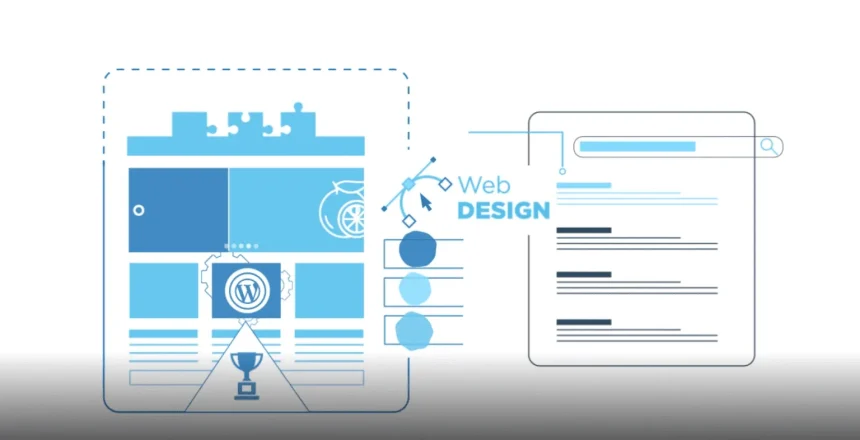
To start, let’s look at why an SEO content strategy matters. Imagine your website as a puzzle. Each piece, or page, needs to fit perfectly to form a complete picture of your business. By using content pillars and clusters, you create a structured approach. These are groups of related content that cover a topic thoroughly. This helps search engines like Google see your site as a reliable source of information. They love sites that answer user queries effectively.
Moreover, by addressing search intent, you ensure your content meets the needs of those searching. For example, if someone searches “Rapid City SEO,” they’re likely looking for local services. Your content should reflect this, providing relevant and targeted answers. This approach not only improves your ranking but also attracts users genuinely interested in your offerings.
Signaling Expertise to Google
Signaling expertise to Google is crucial for standing out. How do you do this? By applying the principles of E-E-A-T, which stands for Experience, Expertise, Authoritativeness, and Trustworthiness. Google uses these factors to determine if your content is valuable.
Start by showcasing your expertise. This could mean writing blog posts that offer deep insights into your industry. Or, it might involve sharing case studies that highlight successful projects. Remember, specifics matter. Sharing a story about how a client improved their website conversion by 30% shows real-world impact. It’s about proving you know your stuff with concrete examples.
Attracting Qualified Leads
Attracting the right leads begins with smart content. It’s like a magnet, pulling in those most likely to need your services. By crafting content that speaks directly to your ideal customer, you increase the chances of conversion.
Consider this: a business owner searching for marketing automation solutions will gravitate toward content that outlines clear benefits. This might include how automation saves time, or how it leads to faster responses. When your content aligns with their needs and pain points, they’re more inclined to trust your expertise and engage with your services.
Building Your Content Foundation
With a solid foundation, your content strategy can thrive. This section will show you how to build that base effectively.
Understanding Content Pillars
Content pillars are the backbone of your content strategy. Think of them as main topics that support your entire site’s content. These pillars should cover broad themes relevant to your business. For instance, if you’re in digital marketing, your pillars might include SEO, social media marketing, and content creation.
Each pillar is then supported by clusters—detailed pieces that dive deeper into specific aspects of the pillar. This structure not only organizes your content but also helps search engines understand what your site is about. It’s like giving Google a guided tour, ensuring every part of your expertise is highlighted.
Harnessing Topical Authority
Topical authority is about being the go-to source on a subject. When you consistently provide detailed, accurate information, search engines recognize your site as an authority. This means you’re more likely to rank higher in search results.
To build this authority, cover topics from multiple angles. Use varied content forms like blogs, infographics, and videos. Engage with your audience by answering their questions. The more comprehensive your coverage, the more trust you build with search engines and users alike.
Effective Keyword Research
Keyword research is a game-changer for your content. It’s about finding the terms your audience uses when searching for your services. Start by brainstorming potential keywords related to your business. Then, use tools like Google Keyword Planner to see which terms have high search volumes but low competition.
Incorporate these keywords naturally into your content. This helps search engines connect your pages with relevant search queries. Remember, the goal is to speak your audience’s language, making it easier for them to find you.
Optimizing for Local Reach

Reaching local customers requires a different approach. Let’s explore how local optimization can boost your business.
On-Page SEO Essentials
On-page SEO is about optimizing individual pages to improve rankings. Start with your page titles and meta descriptions. Make sure they include primary keywords and accurately describe your content.
Internal linking is another critical aspect. This means connecting related pages on your site to enhance navigation and guide users through your content. It also helps search engines understand the relationship between your pages. Lastly, focus on page speed and mobile-friendliness. Users, and Google, love sites that load quickly and are easy to navigate on any device.
Local SEO and Service Area Pages
Local SEO targets customers in your area. It’s crucial for businesses wanting to attract nearby clients. Service area pages are a great tool for this. These pages detail the services you offer in specific locations, helping local users find you.
Ensure your content speaks directly to local audiences. Mention landmarks, neighborhoods, or events to connect with them personally. Also, gather and display local reviews. They’re powerful trust signals for potential customers.
Google Business Profile and Schema Markup
Your Google Business Profile is a must-have for local visibility. It’s how you appear in local search results and on Google Maps. Keep it updated with accurate information, like your address, phone number, and business hours. Encourage satisfied customers to leave positive reviews, boosting your credibility.
Schema markup is another tool to consider. It’s a code you add to your site, helping search engines understand your content better. For instance, if you’re a restaurant, you can use schema to highlight your menu, location, and opening hours. This extra detail can enhance your visibility in search results, driving more local traffic your way.
In summary, strategic content not only tells Google who you are but also attracts the right customers. By focusing on SEO content strategy, topical authority, and local optimization, you set your business up for success. These efforts position you as a trusted, visible choice for potential clients. With Global Link Media LLC, you have a partner ready to guide you every step of the way.