
Most local service pages fail to bring in the right customers. You might be getting traffic, but it’s often unqualified or just “window shoppers” who don’t call. Building service pages that focus on local SEO with the right service + city keywords changes that. In this guide, you’ll learn exactly how to create pages that rank well for local search traffic and convert visitors into paying customers. For more insights on local SEO best practices, check out this resource or visit Global Link Media LLC for expert guidance.
Crafting High-Converting Service Pages
Creating pages that turn visitors into customers starts with understanding your audience’s needs. Let’s dive into what makes a service page successful.
Understanding Local Search Intent
Imagine your potential customer picking up their phone to search “plumber near me.” They want quick solutions to immediate problems. This is the essence of local search intent. It’s about being present when someone needs your service the most. You need to grasp what your customers are truly searching for, and align your content to those needs.
A great way to understand this is by looking at real-world examples. For instance, if you run a bakery in Rapid City, common searches might include “best cakes in Rapid City” or “local bakery Rapid City.” Your goal is to ensure your service page meets these specific searches by addressing their needs directly.
By focusing on local search intent, you are more likely to attract those ready to purchase. This means more qualified leads knocking on your door. Keep in mind, the longer you wait to optimize for local intent, the more potential customers choose a competitor.
Building Effective Service + City Keywords
Keywords are the bridge between your service and your customer. Combining your service with city-specific terms targets the right audience. If you run a dental clinic, phrases like “dental cleaning Rapid City” become crucial.
Start by brainstorming a list of services you offer. Match each with the city or neighborhood you serve. This process helps in creating a robust keyword strategy that’s both specific and effective. Next, use keyword tools to find variations your customers might use.
Remember, it’s not just about stuffing keywords. They need to fit naturally within your content. The right keywords attract search traffic that converts, not just visitors who leave without engaging.
Structuring Location Pages vs Service Pages
Knowing when to use location pages and service pages is key. Each serves a different purpose in your SEO strategy. Location pages focus on the geographical areas you serve, while service pages detail what you offer.
Imagine you’re a pest control business. Your location page might discuss services in Rapid City, detailing general pest control solutions there. Meanwhile, a service page would dive deeper into specific offerings like termite extermination.
Structuring these pages correctly helps search engines understand and prioritize your content. This way, you capture both broad and specific searches, ensuring a wider reach.
On-Page SEO Essentials
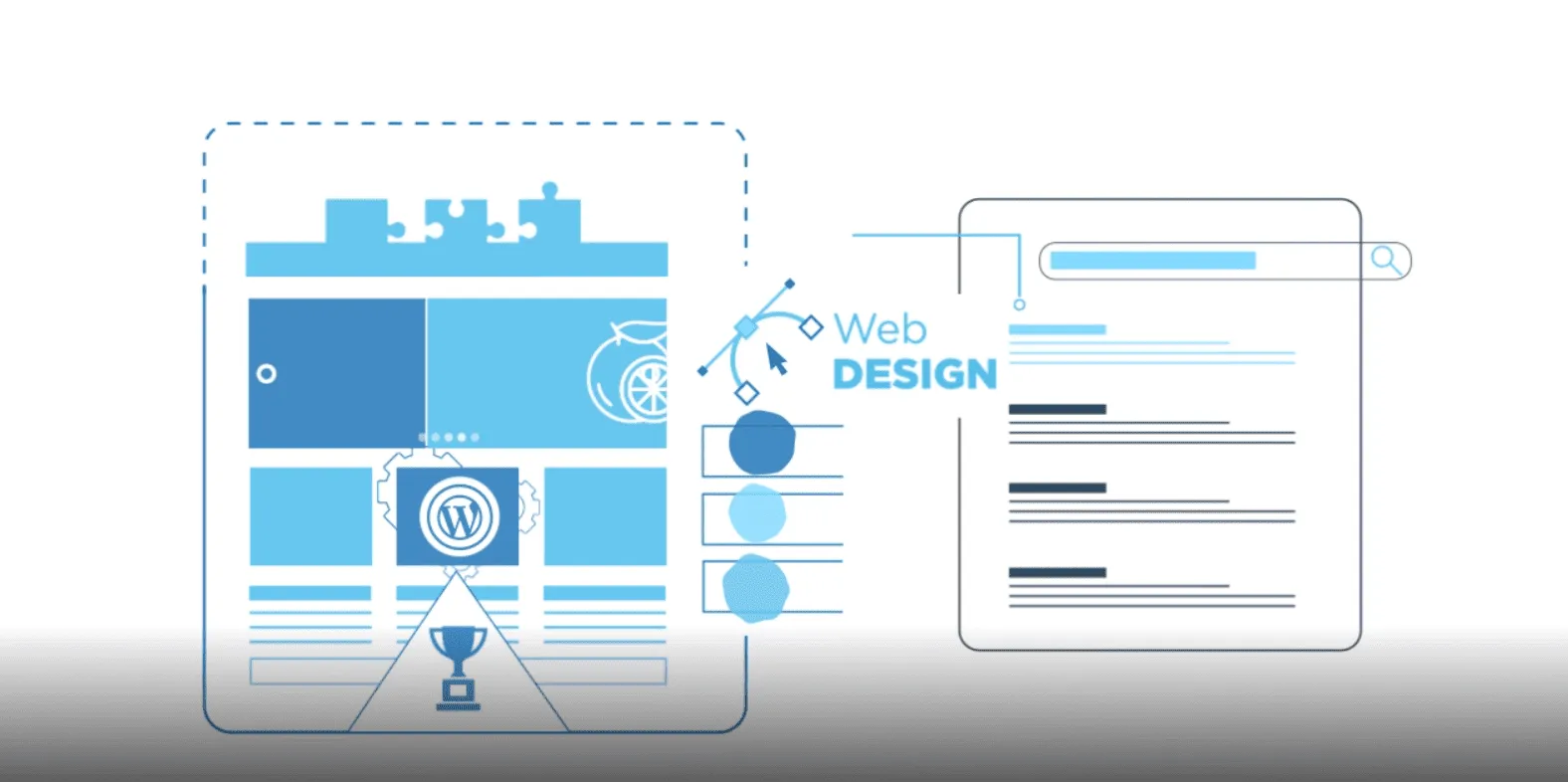
Once your pages are structured, optimizing them for search engines is next. This ensures they rank well and get seen by potential customers.
Developing a Compelling H1 and Meta Tags
Your H1 and meta tags are like a first impression. They tell search engines what your page is about. A clear, concise H1 should reflect the primary focus of your page. If your page is about HVAC services in Rapid City, make sure it’s evident upfront.
Meta tags, including meta descriptions, need to be equally clear. These snippets appear in search results, influencing whether someone clicks on your link. Think of them as a mini-ad. They should summarize what the page offers and include a call to action.
By nailing these elements, you improve your click-through rate and attract more visitors. And more visitors mean more potential customers.
Internal Linking for Local SEO Success
Internal linking connects pages on your site, guiding users and search engines alike. It boosts your local SEO by showing which pages are most important.
For example, your service pages should link to relevant blog posts or location pages. This keeps users engaged and helps them find more of what they’re interested in. It also helps search engines understand the hierarchy and relationship between your pages.
Strategically placed links act like signposts, guiding visitors to take the next step. This not only improves SEO but also enhances user experience, making them more likely to convert.
Utilizing Schema Markup Effectively
Schema markup is a powerful tool in your SEO toolkit. It’s a code that helps search engines understand your content better. For local businesses, specific schemas like LocalBusiness schema or Service schema are essential.
Implementing these schemas helps your business stand out in search results. They provide search engines with extra information, like your business hours or service area. This can lead to rich snippets, which are more eye-catching and informative.
The more clearly you can present your information, the more likely search engines will rank you favorably. This means more visibility and, ultimately, more customers knocking on your door.
Boosting Conversions and Automation
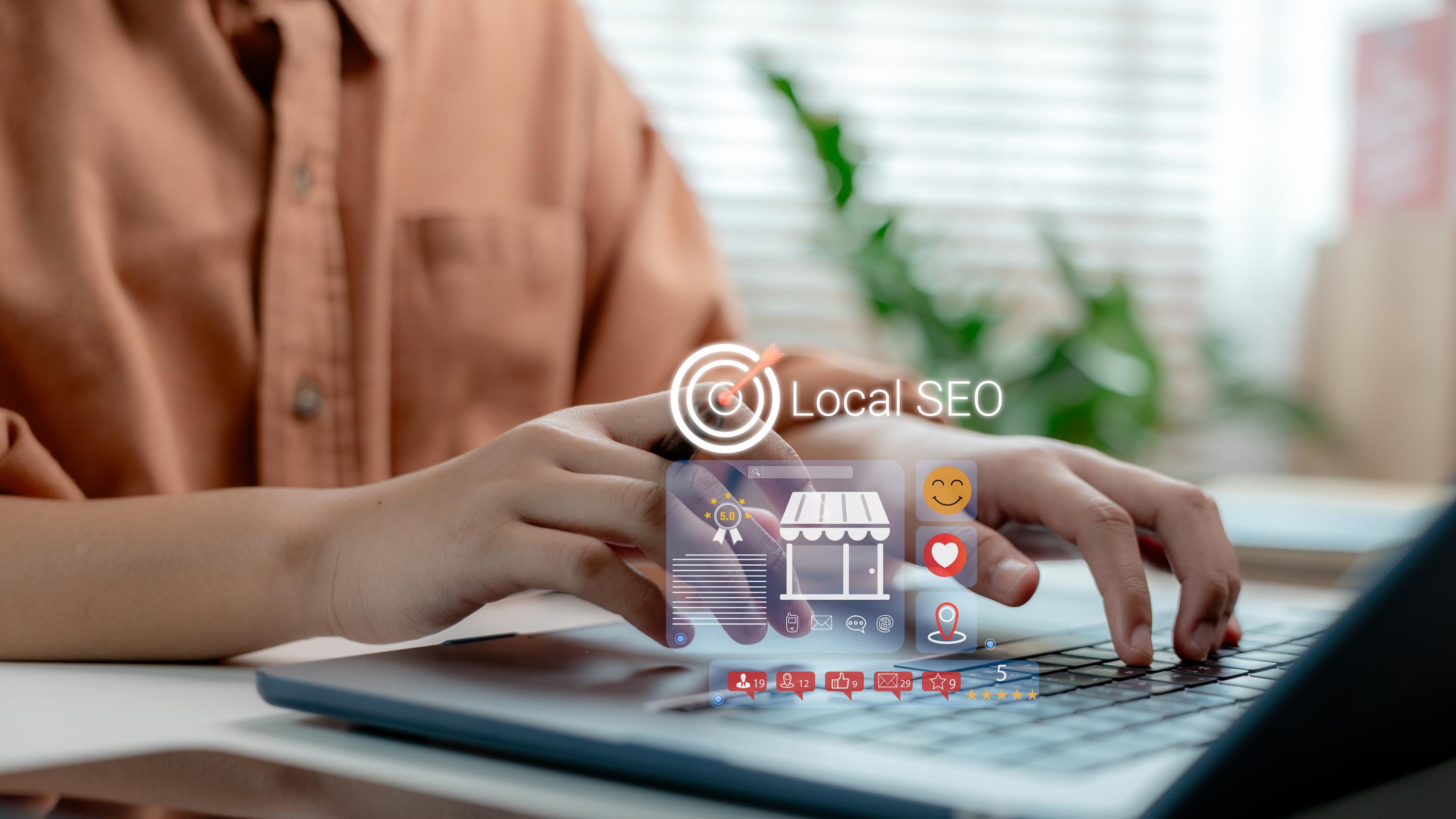
Getting visitors is only part of the equation. Now, let’s focus on turning them into loyal customers.
Implementing Click-to-Call and AI Chatbot
Easy communication options can significantly boost conversions. Adding a click-to-call feature on your site allows visitors to reach you with a single tap. This is especially important for users on mobile devices who may not want to dial a number manually.
AI chatbots are another great tool for engaging visitors. These bots can answer common questions, guide users through your services, and even help schedule appointments. They work around the clock, ensuring you never miss a potential lead.
The simplicity of click-to-call and the efficiency of AI chatbots make them indispensable for modern businesses. They streamline communication, making it easier for visitors to become customers.
Enhancing User Experience with Mobile-First Design
Most people use their phones to search the web. This makes mobile-first design crucial for your service pages. A site that looks great and works well on phones keeps users engaged and reduces bounce rates.
Focus on fast loading times. A delay of even a few seconds can drive users away. Ensure buttons and links are easy to tap, and text is readable without zooming.
By prioritizing mobile-first design, you cater to the majority of your audience. This leads to a better user experience, which is key to higher conversion rates.
Leveraging Google Maps Rankings and Local Citations
Appearing on Google Maps is vital for local businesses. It puts you on the map—literally—and makes it easier for customers to find you. Ensure your Google Business Profile is up to date, with correct details and positive reviews.
Local citations, like mentions on directories or local websites, also boost your visibility. They build your online presence and establish trust with search engines.
Both of these strategies enhance your local SEO efforts. They ensure that when someone searches for services you offer, they find your business first.
In conclusion, crafting high-converting service pages involves understanding search intent, optimizing for SEO, and enhancing user experience. By following these strategies, you transform your service pages into powerful tools for attracting the right customers and growing your business.