

The Ultimate Guide to Web Design for Business Success
In today’s digital age, having a strong online presence is crucial for any business aiming for success. A well-designed website serves as the cornerstone of that presence, offering potential customers a first glimpse into what your business is all about. As an experienced web design expert with over 14 years in the field, I’ve seen firsthand how the right combination of custom website creation, responsive design, and SEO optimization can propel a business forward. At Global Link Media LLC, we specialize in crafting tailored websites that are not only visually appealing but also ADA compliant and easy to manage. Let’s explore how strategic web design can play a pivotal role in your business’s growth and success.
Crafting a Custom Website

Creating a custom website is more than just choosing a template and filling it with content. It’s about understanding your brand and translating that into a digital experience that resonates with your audience. A custom website helps differentiate your business in a crowded market.
Tailored Design for Your Brand
A tailored website design begins with a deep understanding of your brand identity. Your website should reflect the unique values and aesthetics of your business, making a strong first impression. Customization allows businesses to integrate their specific color schemes, logos, and messaging, ensuring a cohesive brand presence online.
Identify core brand values: Start with a brand audit to pinpoint what sets your business apart.
Collaborate with designers: Work closely with web designers to translate these values into visual elements.
Implement feedback: Gather input from stakeholders to refine the design.
Importance of ADA Compliance
ADA compliance is essential in web design to ensure inclusivity for all users. ADA standards require websites to be accessible to people with disabilities, which can improve user experience and broaden your audience reach.
ADA compliance involves making sure your site is navigable with screen readers.
It includes providing text alternatives for non-text content like images.
Compliance can also enhance SEO, as search engines favor accessible websites.
A real-world example is Elementor, which emphasizes ADA compliance in its web design projects, leading to an expanded customer base and improved search engine rankings.
Responsive Design Essentials
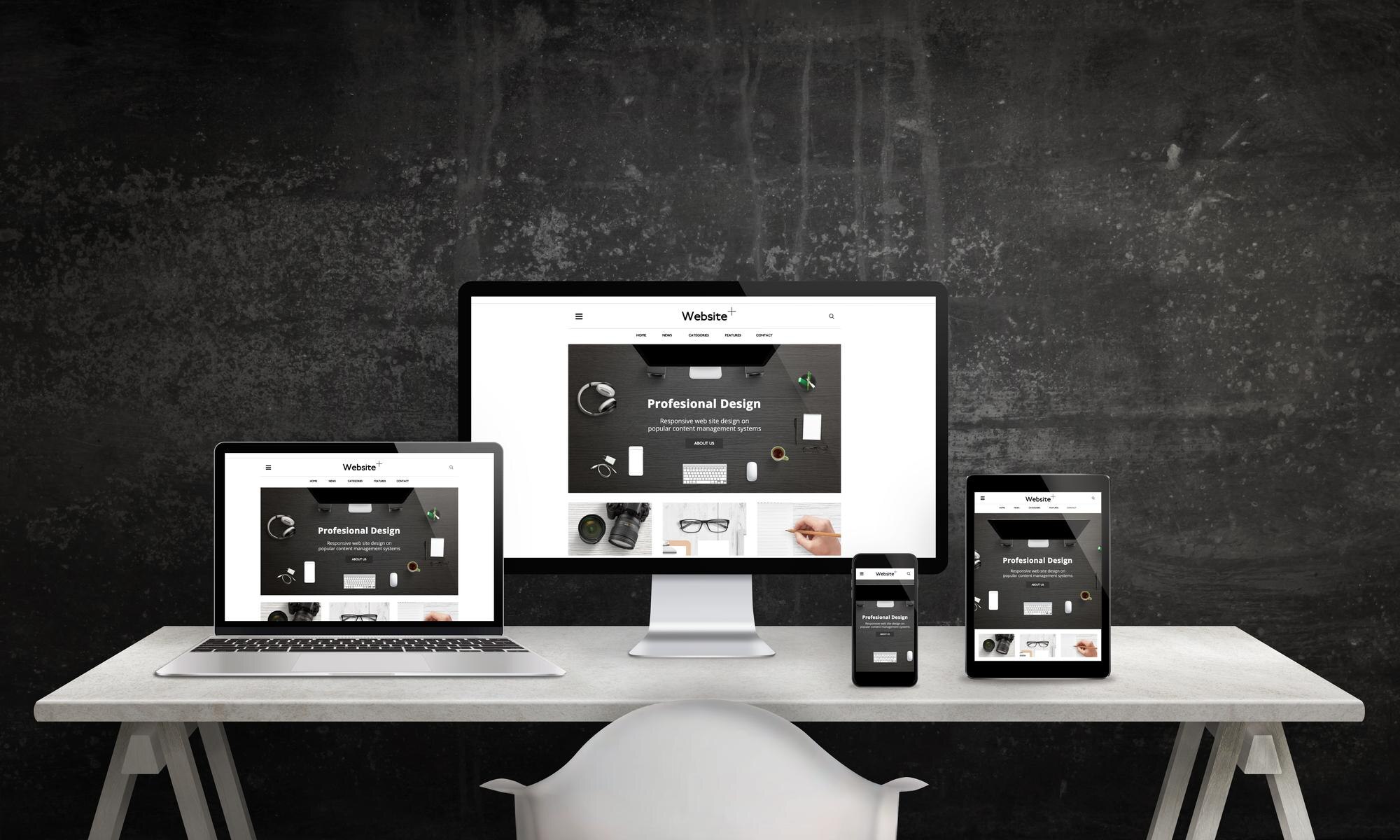
Responsive design ensures your website looks and functions well on all devices, from desktops to smartphones. In today’s mobile-first world, having a responsive site is crucial for maintaining user engagement and satisfaction.
Benefits of Mobile-Friendly Sites
Mobile-friendly websites are key to reaching a wider audience, as more users access the internet via mobile devices. Responsive design adapts the layout to different screen sizes, ensuring consistency and ease of use.
Increased mobile traffic: Websites optimized for mobile can capitalize on the growing number of mobile users.
Improved user experience: Responsive design reduces the need for zooming or horizontal scrolling.
Enhanced SEO: Search engines rank mobile-friendly sites higher, boosting visibility.
According to Designloud, businesses that prioritize mobile-friendly design see a significant increase in traffic and user engagement.
User Experience and Engagement
User experience (UX) is critical in web design, focusing on how users interact with your site. A well-designed UX leads to higher engagement and conversion rates by making navigation intuitive and content easily accessible.
Conduct user testing: Gather feedback from real users to identify pain points and areas for improvement.
Simplify navigation: Ensure that your site’s structure is easy to understand and that users can find information quickly.
Optimize page load times: Fast-loading pages prevent users from leaving your site prematurely.
SEO Optimization Strategies

SEO optimization is essential for improving your website’s visibility in search engine results. By implementing effective SEO strategies, businesses can attract more organic traffic and enhance their online presence.
Boosting Visibility with Keywords
Keywords form the backbone of SEO strategies. Incorporate relevant keywords into your content to ensure your site ranks well in search engine results, aligning with what potential customers are searching for.
Use keyword research tools to identify high-ranking terms.
Integrate keywords naturally into titles, headings, and meta descriptions.
Regularly update content to reflect evolving search trends.
Elementor provides insights into using keywords effectively, which can lead to improved search rankings and more targeted traffic.
Technical SEO for Better Rankings
Technical SEO involves optimizing your site’s backend to improve search engine rankings. Ensure that search engines can easily crawl and index your site by focusing on these key areas:
Optimize site speed: Fast-loading sites are favored by search engines.
Ensure mobile compatibility: Google prioritizes mobile-friendly websites in its rankings.
Use structured data: Help search engines understand your content better.
Websites like Procreator emphasize the importance of technical SEO, illustrating how even minor technical adjustments can lead to significant improvements in site visibility and traffic.
