
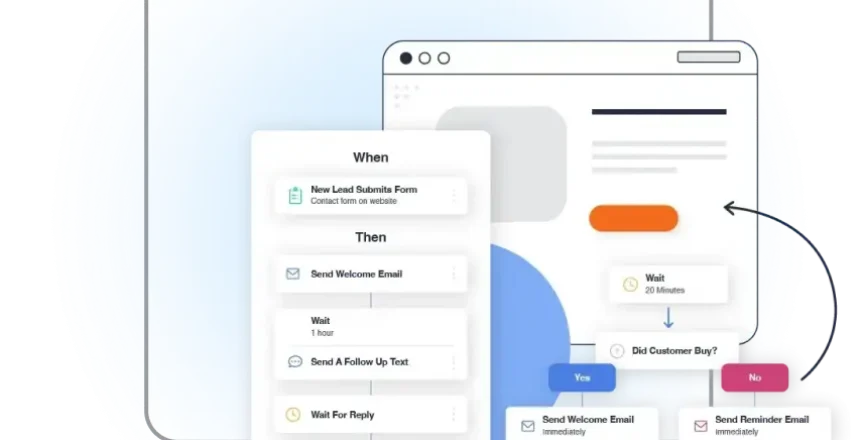
You lose leads as soon as your office closes. Every missed call or unanswered message is a missed opportunity to grow your business. Setting up a 24/7 lead-handling system means capturing, responding to, and booking leads automatically—without adding more staff. In this post, you’ll get a step-by-step guide to building a system that works around the clock, so your business never misses a chance to connect. For more insights, visit Global Link Media LLC.
Building Your Lead-Handling System
Building a robust lead-handling system requires capturing leads across multiple channels, automating responses, and implementing smart booking tools. These components ensure that your business can operate effectively even when you’re not available.
Capture Leads Across Channels
Capturing leads from various sources is crucial to maintaining a steady flow of potential clients. Use forms on your website, engage through social media, and integrate phone systems for a unified approach. A lead handling system should be versatile, gathering information from wherever your audience interacts. Most businesses think they need more traffic, but it’s about making existing traffic count.
Online forms on your website should be easy to find and fill out. Make sure they ask for essential information like name, email, and the reason for contact. Don’t forget web chat for business; it allows visitors to communicate instantly. Social media platforms can also be a treasure trove of leads. Promote your services through posts that encourage direct messaging or comments. By diversifying your lead capture methods, you ensure no potential client slips through the cracks.
Automate After-Hours Responses
Once leads are captured, responding promptly is key. Automation is your friend here. With after-hours lead response, your system can acknowledge inquiries immediately. An AI chatbot for websites can provide instant replies, offering reassurance to potential customers that help is on the way. This also frees up your time during regular hours.
Set up automated email or SMS responses to confirm receipt of an inquiry. Include information on when a detailed response will follow. Automated responses can also direct leads to helpful resources on your website. This keeps them engaged and reduces the chances of them looking elsewhere.
Implementing Smart Booking Tools
After capturing and responding to leads, the next step is to book them efficiently. Smart booking tools eliminate the back-and-forth typically involved in scheduling appointments. Tools that offer appointment scheduling automation let clients select available times that suit them, which syncs directly with your calendar. This ensures that you’re never double-booked and clients can easily manage their engagements with you.
A smart booking tool should include automated confirmations and reminders. This reduces no-shows and provides a professional touch. Most importantly, it frees up your time, allowing you to focus on delivering quality service rather than managing schedules.
Streamlining Communication with Technology
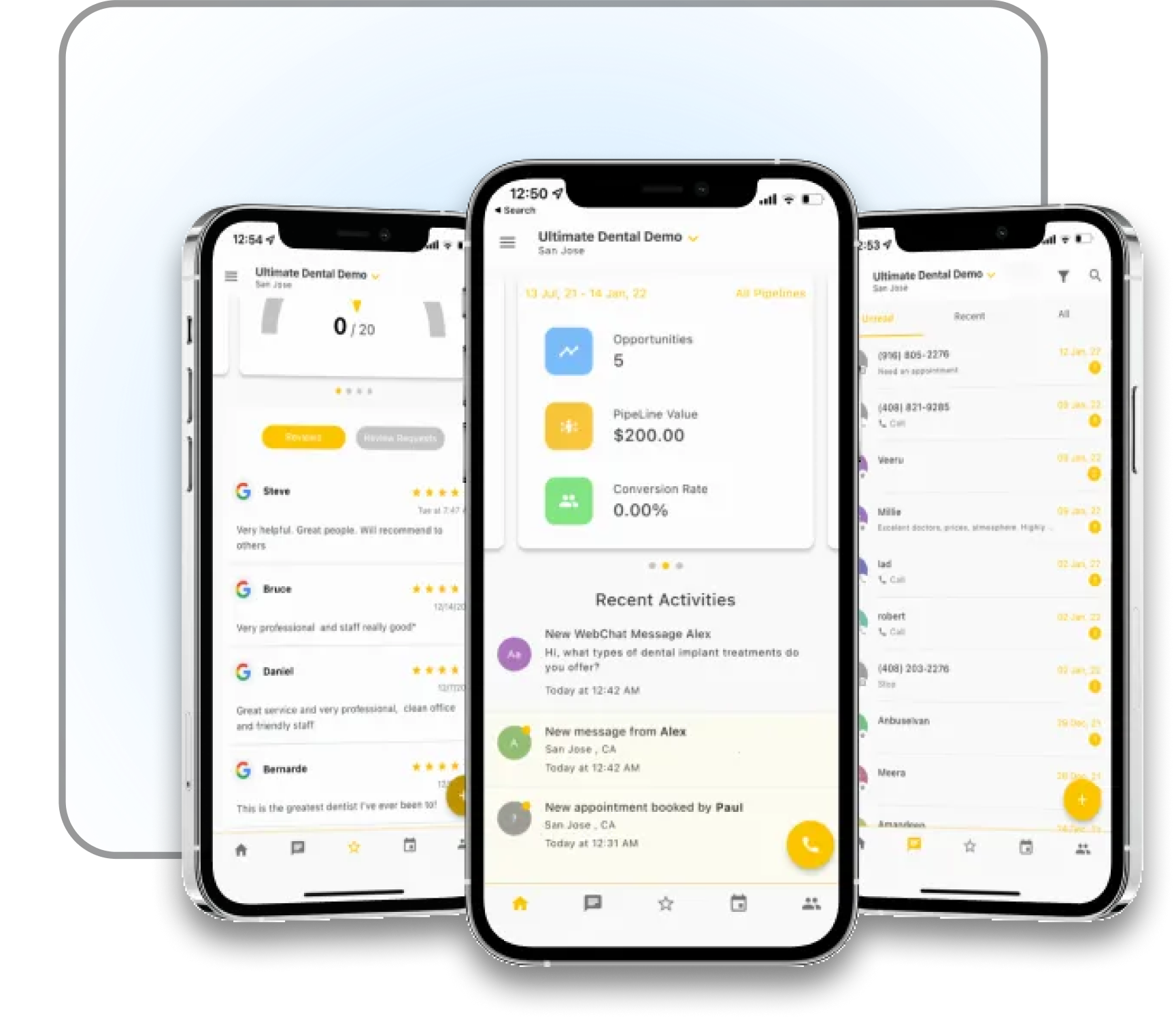
Efficient communication channels can significantly enhance how you interact with your customers. Integrating CRM pipelines and setting up automated follow-ups are critical components of this process.
Integrating CRM Pipelines
A Customer Relationship Management (CRM) system is essential for organizing your leads. Integrating CRM pipelines ensures that every interaction is logged and accessible. This helps in tracking the lead’s journey from initial contact to conversion.
Your CRM should connect seamlessly with your lead capture tools. This way, the information flows automatically into your system, keeping everything organized. It’s not just about storing data; it’s about using it to enhance your lead nurturing efforts. By having a clear view of each lead’s interaction history, you can tailor your communication to their needs and preferences.
Setting Up Automated Follow-Ups
Automated follow-ups are a game-changer in maintaining engagement with potential clients. Once a lead interacts with your business, set up a series of follow-ups to keep them engaged. This could be through emails, SMS, or even social media messages.
Automated follow-ups should be timely and relevant. For instance, sending a thank-you email after an inquiry, followed by a personalized offer, can keep your business at the forefront of the lead’s mind. This not only builds trust but also increases conversion rates over time.
Enhancing Service Business Marketing
To stand out, your service business must effectively market itself. Leveraging local SEO and optimizing website conversion are pivotal strategies in achieving this goal.
Leveraging Local SEO Strategies
Local SEO is about making your business visible in local search results. This involves optimizing your website with relevant keywords like “Rapid City SD marketing” and ensuring your business is listed in online directories. These efforts improve your visibility to local customers searching for services you offer.
Encourage satisfied clients to leave positive reviews, as these significantly impact your ranking and reputation. Additionally, local backlinks can boost your authority, so consider partnering with local businesses for cross-promotion opportunities.
Optimizing Website Conversion
Your website should not only attract visitors but also convert them into leads. Focus on elements that improve user experience, like clear calls to action, easy navigation, and mobile-friendly designs. A customer communication hub on your site allows visitors to reach out effortlessly, increasing engagement.
Regularly update your content to keep it fresh and relevant. Utilize tools to track website performance and identify areas for improvement. By optimizing these elements, you ensure that your website effectively turns visitors into leads.
Frequently Asked Questions
What is a lead handling system?
A lead handling system captures, responds to, and books leads automatically. It integrates various channels to collect lead information and manages interactions through automation.
Why is after-hours lead response important?
After-hours lead response ensures that potential clients receive immediate acknowledgment, keeping them engaged and reducing the likelihood of them seeking services elsewhere.
How do smart booking tools benefit my business?
Smart booking tools streamline the appointment scheduling process, reduce no-shows through automated reminders, and free up time to focus on service delivery.
What role does CRM play in lead management?
A CRM organizes lead information, tracks interactions, and helps tailor communication strategies, enhancing lead nurturing and conversion efforts.
How can I improve my local SEO?
Improve local SEO by optimizing your website with local keywords, listing your business in directories, and encouraging customer reviews to boost visibility in local searches.
By following these steps, you can create an efficient 24/7 lead-handling system that captures and nurtures leads, ensuring your business thrives even outside regular hours.